



Saham News
IHSG Outlook Today: Top Stock Recommendations for Tuesday, June 2, 2026
/index.php
Bisnis | Ekonomi - Posted on 19 July 2025 Reading time 5 minutes
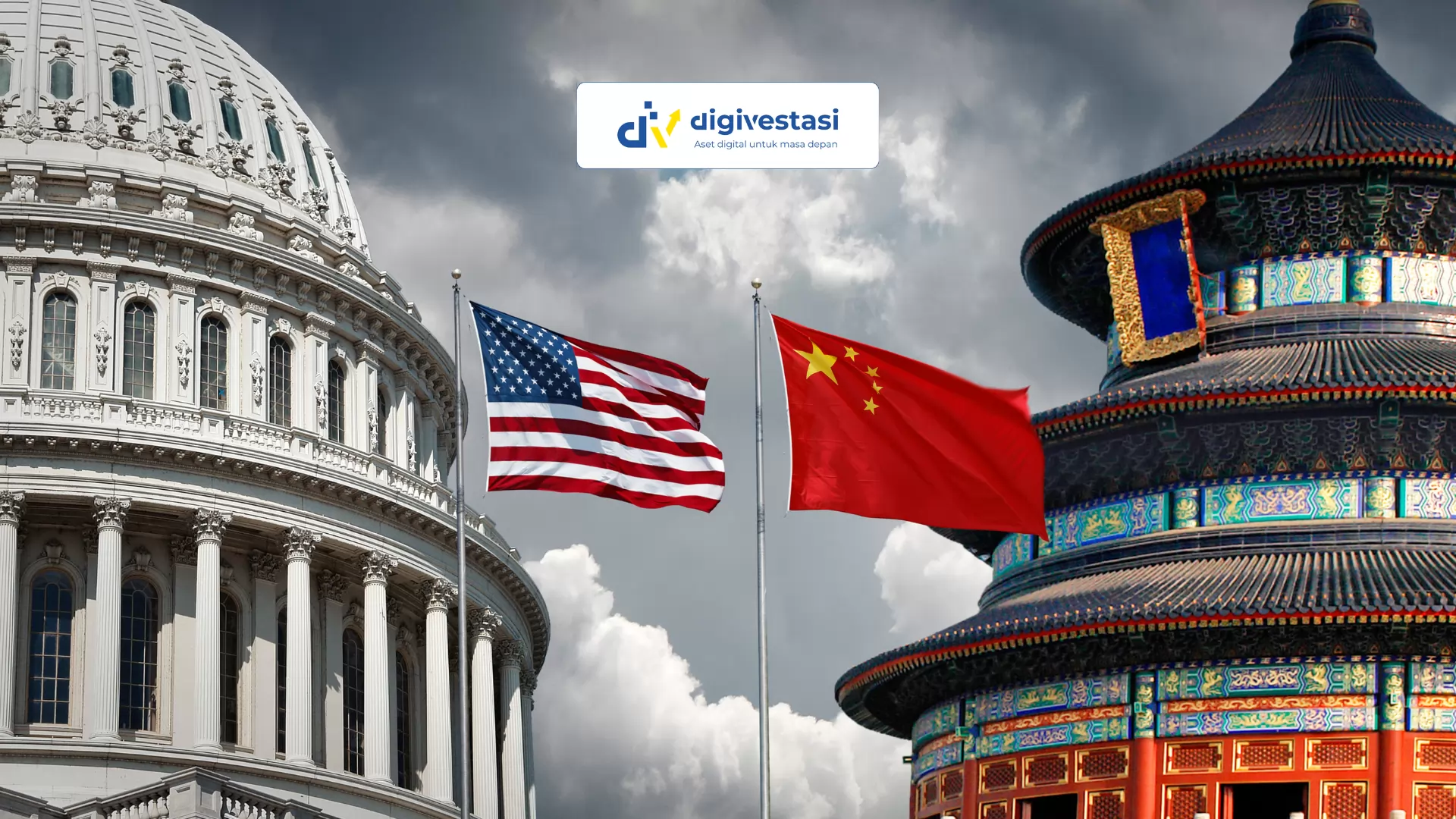
Washington, July 17, 2025 – The U.S. Department of Commerce has imposed a preliminary anti-dumping duty of 93.5% on imports of high-quality graphite anodes from China. This decision follows findings of dumping practices supported by Chinese government subsidies. The tariff applies to all Chinese producers, covering imports worth approximately US$347.1 million in 2023, with a similar 93.5% cash deposit margin. When combined with additional countervailing duties, the effective tariff could reach around 160%.
Graphite anode is a critical component in manufacturing lithium-ion batteries for electric vehicles (EVs). This tariff policy could significantly disrupt global supply chains, especially for major battery producers. Companies such as Tesla and Panasonic have previously expressed concerns about rising costs, as U.S. domestic production still lacks the capacity to fully replace imports of high-quality graphite from China.
The decision immediately boosted shares of non-Chinese graphite producers. Syrah Resources in Australia surged up to 38%, while Posco Future M in South Korea gained around 24%. Canadian firms like Nouveau Monde Graphite also saw gains.
According to the U.S. Graphite Producers Association, this policy sends a strong signal to accelerate domestic projects, including Westwater Resources’ Alabama facility, which aims for a production capacity of 50,000 tons per year by 2028.
Consultancy CRU Group estimates the tariff could increase production costs by US$7/kWh, equivalent to 20% of the EV battery tax incentives under the Inflation Reduction Act. As a result, Korean battery manufacturers may face profitability pressure, with margins expected to decline in the coming quarters. The policy could also slow the adoption of electric vehicles and renewable energy, given the U.S.’s continued heavy reliance on imported graphite.
To mitigate the impact, several U.S. companies are accelerating diversification of graphite supply from alternative sources such as Vietnam, Malaysia, and domestic projects. This approach continues a trend that began during the Trump administration, which successfully reduced U.S. dependence on Chinese imports from 32% to about 4% this year.
The tariff remains provisional. The final decision on anti-dumping and countervailing duties is scheduled for December 5, 2025. However, this move underscores the U.S.’s increasingly protectionist stance to achieve strategic independence in battery and clean energy supply chains, even at the cost of higher production expenses and consumer prices.
The 93.5% tariff on Chinese graphite anode imports signals a clear effort to safeguard domestic industries and reduce dependency on China. While this creates opportunities for domestic and allied producers, risks of rising costs and higher EV prices remain significant. The final ruling in December 2025 will determine the direction of future policy and global supply chain dynamics.
What do you think about this topic? Tell us what you think. Don't forget to follow Digivestasi's Instagram, TikTok, Youtube accounts to keep you updated with the latest information about economics, finance, digital technology and digital asset investment.
DISCLAIMER
All information contained on our website is summarized from reliable sources and published in good faith and for the purpose of providing general information only. Any action taken by readers on information from this site is their own responsibility.
SHARE
VIEW


