




Saham News
IHSG Outlook Today: Top Stock Recommendations for Tuesday, June 2, 2026
/index.php
Berita Terkini - Posted on 19 July 2025 Reading time 5 minutes
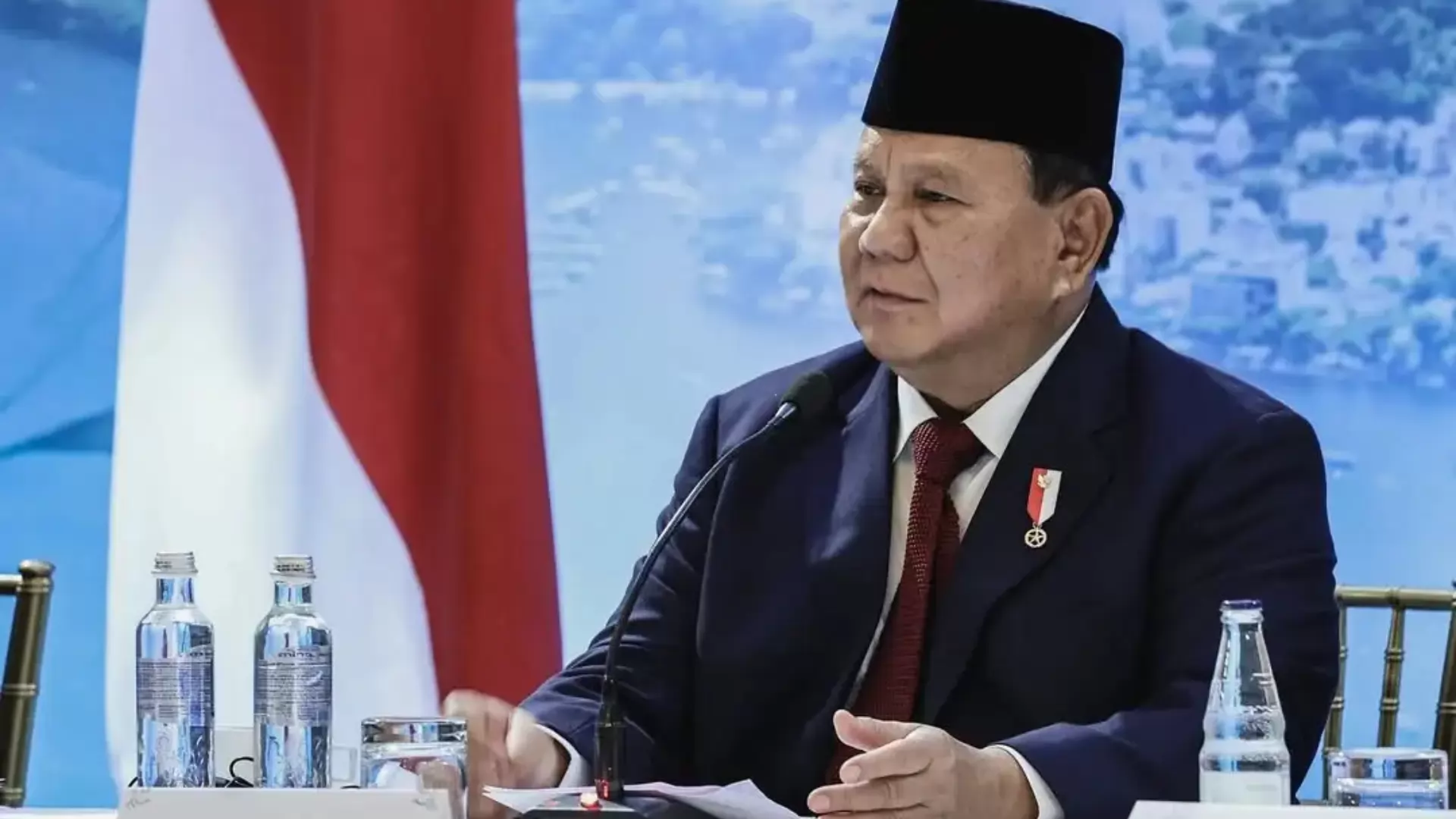
U.S. President Donald Trump has announced a new trade agreement with Indonesia that allows American export products to enter the Indonesian market with zero import tariffs. Meanwhile, Indonesia’s export tariffs to the U.S. have been set at 19%, a significant reduction from the initially threatened 32% rate. The agreement covers various strategic U.S. commodities, including aircraft (with a commitment to purchase 50 Boeing units), fuel, soybeans, and wheat. Indonesian President Prabowo Subianto emphasized that this partnership prioritizes the protection of domestic labor.
Boost in U.S. Investment:
The tariff-free access to the Indonesian market is expected to attract American investors, particularly in the infrastructure, energy, and manufacturing sectors.
Lower Import Costs:
Commodities such as wheat and soybeans—rarely produced in large quantities domestically—will become more affordable, supporting food security and the livestock sector.
Strengthened Bilateral Relations:
Prabowo described the deal as a “new era” of U.S.–Indonesia trade cooperation, which could enhance Indonesia’s bargaining position on the global stage.
Pressure on Local Producers:
Tariff-free U.S. products may flood the domestic market, particularly impacting consumer goods, textiles, and agriculture sectors, which could trigger layoffs and erode the competitiveness of local industries.
Inflation Risk & Rupiah Depreciation:
A surge in imports without a proportional increase in exports could weaken the balance of payments, put pressure on the currency, and drive inflation.
Imbalance in the Agreement:
Several analysts argue that the deal favors the U.S., as Indonesia bears significant obligations such as purchasing Boeing aircraft and energy commodities, while the U.S. market remains widely open without equivalent concessions.
In the short term, consumers and certain business sectors will benefit from lower import costs. However, in the medium to long term, the main challenge lies in managing the influx of imported goods and maintaining inflation stability. The government is expected to implement mitigation measures such as incentives for MSMEs and selective protection for strategic sectors.
The tariff-free agreement with the U.S. presents opportunities for Indonesia to reduce import costs and attract investments. However, potential downsides such as weakening local competitiveness, inflation risks, and imbalanced commitments must be addressed. The success of this deal largely depends on government policies to strengthen domestic industries, safeguard economic sovereignty, and protect national employment.
What do you think about this topic? Tell us what you think. Don't forget to follow Digivestasi's Instagram, TikTok, Youtube accounts to keep you updated with the latest information about economics, finance, digital technology and digital asset investment.
DISCLAIMER
All information contained on our website is summarized from reliable sources and published in good faith and for the purpose of providing general information only. Any action taken by readers on information from this site is their own responsibility.
SHARE
VIEW


