






Saham News
IHSG Today: Market Expected to Move Volatile! Top Stock Picks for Thursday, May 21, 2026
/index.php
Bisnis | Ekonomi - Posted on 21 May 2026 Reading time 5 minutes
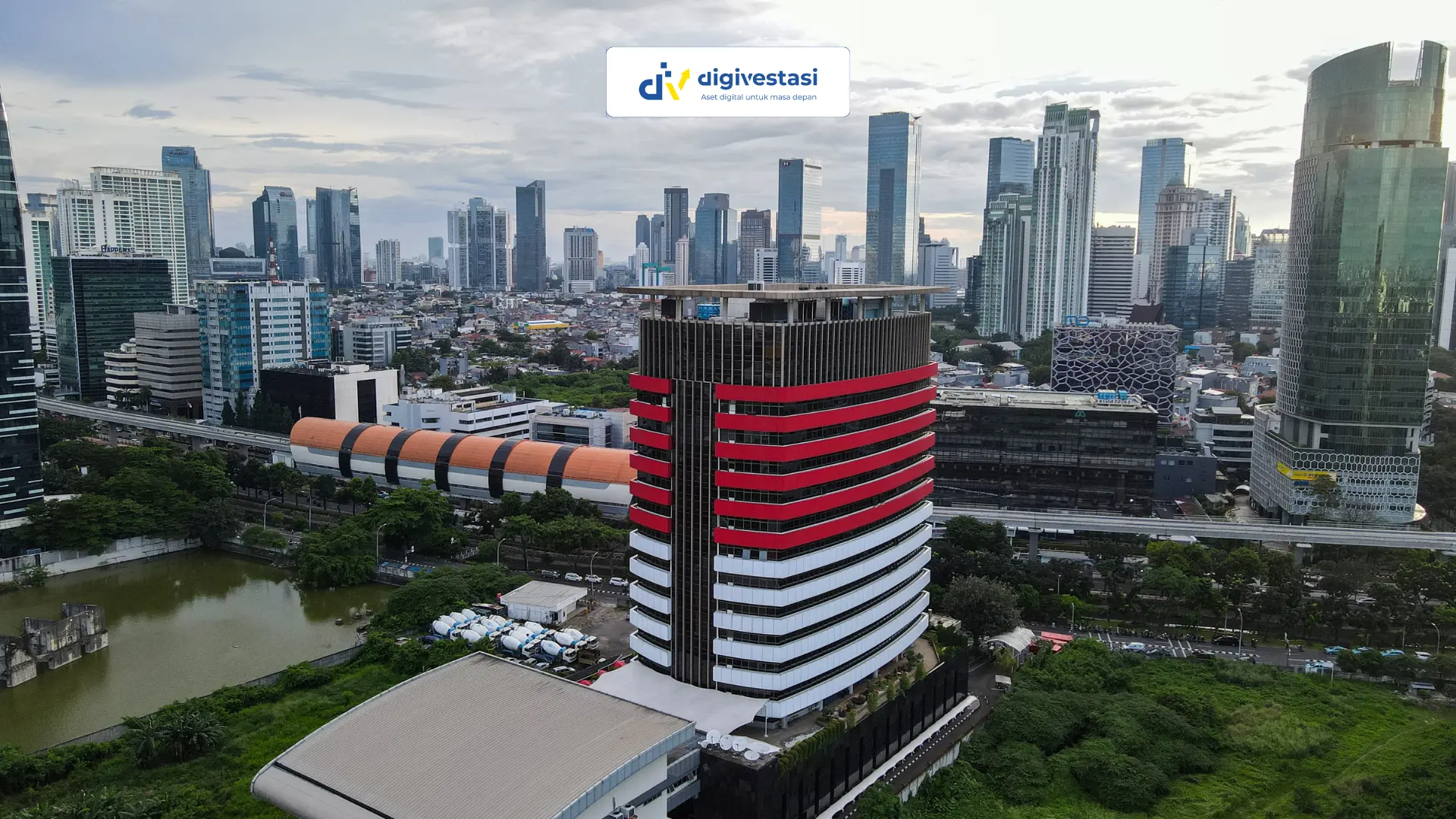
Bank Indonesia has raised its benchmark interest rate, or BI Rate, to 5.25 percent as part of efforts to maintain the stability of the rupiah against the US dollar. The decision was made during the Board of Governors Meeting (RDG) held on May 19–20, 2026.
Governor of Bank Indonesia, Perry Warjiyo, explained that the BI Rate was increased by 50 basis points. In addition, the Deposit Facility rate was raised to 4.25 percent, while the Lending Facility rate increased to 6 percent.
“The Board of Governors Meeting of Bank Indonesia on May 19 and 20, 2026 decided to raise the BI Rate by 50 basis points to 5.25 percent, increase the Deposit Facility rate by 50 basis points to 4.25 percent, and raise the Lending Facility rate by 50 basis points to 6 percent,” Perry stated during a virtual press conference on Wednesday (20/5/2026).
Perry said that the decision represents a continued effort to strengthen rupiah stabilization amid heightened global volatility caused by the conflict in the Middle East. In addition, the move serves as a pre-emptive measure to maintain inflation stability throughout 2026 and 2027.
“This increase is intended as a continued step to reinforce rupiah exchange rate stability against the impact of elevated global uncertainty due to the conflict in the Middle East, while also serving as a pre-emptive measure to ensure inflation in 2026 and 2027 remains within the government’s target range of 2.5 percent plus or minus 1 percent,” he explained.
Furthermore, Perry noted that the policy aligns with Bank Indonesia’s 2026 pro-stability monetary policy focus aimed at preserving the resilience of Indonesia’s external economic sector against global pressures. Meanwhile, macroprudential policies will continue to be strengthened to support economic growth.
“The policy is intended to stimulate economic growth through increased lending and financing to the real sector while maintaining financial system stability. At the same time, payment system policies will continue to support digital economic activities and inclusive finance through broader digital payment acceptance, stronger payment system industry structures, and improved reliability and resilience of payment system infrastructure,” Perry stated.
Source: detik.com
What do you think about this topic? Tell us what you think. Don't forget to follow Digivestasi's Instagram, TikTok, Youtube accounts to keep you updated with the latest information about economics, finance, digital technology and digital asset investment.
DISCLAIMER
All information contained on our website is summarized from reliable sources and published in good faith and for the purpose of providing general information only. Any action taken by readers on information from this site is their own responsibility.
SHARE
VIEW


