






Saham News
IHSG Still in the Red, But These Stocks Are Worth Watching-Opportunities Amid Pressure
/index.php
Bisnis | Ekonomi - Posted on 01 July 2025 Reading time 5 minutes
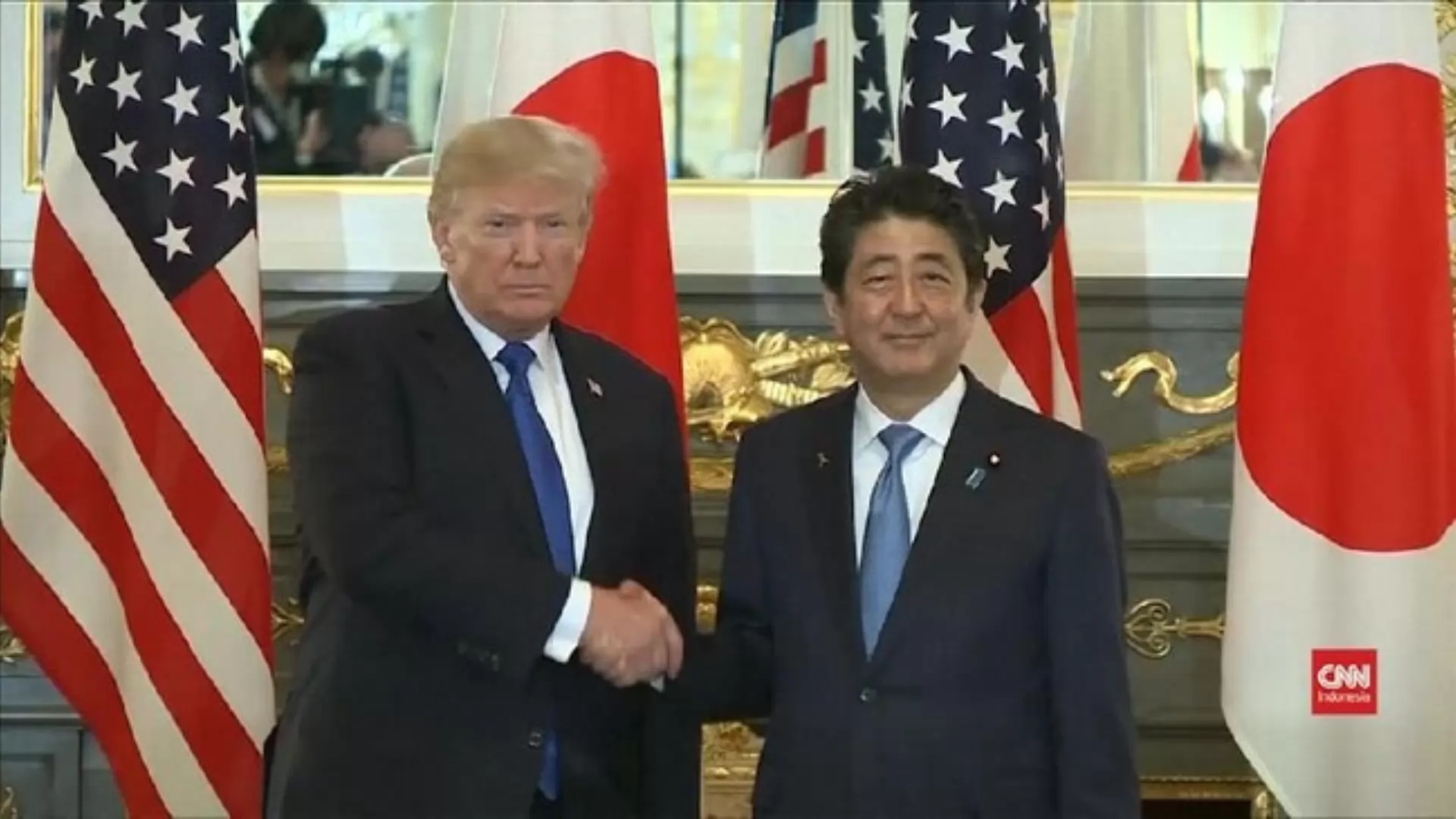
U.S. President Donald Trump voiced his frustration over trade negotiations between the United States and Japan, while U.S. Treasury Secretary Scott Bessent warned of significantly higher tariffs as the July 9 deadline draws near, despite ongoing talks being conducted in good faith.
In a post on social media, Trump stated that Japan’s reluctance to import American-grown rice is a sign that countries have become “spoiled when it comes to the United States.”
“I have great respect for Japan, but they won’t take our RICE, even though they’re facing a severe shortage,” Trump wrote on Truth Social. “We’ll just send them a letter, and we are pleased to continue having them as a Trade Partner for years to come.”
Last week, Trump mentioned that his administration would send letters to various countries informing them of higher tariffs ahead of July 9, the date when current temporary tariffs of 10% are scheduled to revert back to suspended rates ranging from 11% to 50%, originally announced on April 2.
Trump’s complaint on Monday regarding U.S.-Japan rice trade came after he made comments on Sunday accusing Japan of conducting “unfair” automotive trade with the U.S.
White House spokesperson Karoline Leavitt said that Trump would meet with his trade team to determine which countries would face tariffs “if they don’t come to the negotiating table with genuine intent.”
Bessent, who earlier this month floated the idea of extending the deadline for countries negotiating in good faith with the U.S., told Bloomberg Television that only Trump would make the final decision regarding any extension.
He added that he expects a “flurry” of deals to emerge before the July 9 cutoff and wants to maintain pressure on trading partners.
“There are countries negotiating in good faith, but they need to understand that if we can’t reach a deal because they’re being obstinate, we can revert to April 2 levels. I hope it doesn’t come to that,” Bessent stated.
Japan’s lead tariff negotiator, Ryosei Akazawa, said on Monday that Japan remains committed to working with the U.S. toward a trade agreement, while also defending its national interests.
Akazawa acknowledged Trump’s recent comments on the auto industry, adding that the continuation of Trump’s 25% tariff on Japanese car imports would cause serious damage to Japan’s economy.
Meanwhile, another major U.S. trading partner, the European Union, is reportedly open to a trade deal that maintains the current 10% U.S. tariff on EU goods but is seeking a commitment from the U.S. to lower tariffs in key sectors like pharmaceuticals, alcohol, semiconductors, and commercial aircraft, Bloomberg News reported, citing sources familiar with the matter.
Reuters previously reported earlier this month that European officials have increasingly come to accept a “reciprocal” 10% tariff structure as the foundation of any trade deal between the U.S. and the EU.
The United Kingdom is also negotiating a trade agreement under similar terms, accepting the 10% U.S. tariff on many goods—including automobiles—in exchange for special access to the U.S. market for British jet engines and beef.
Source: kompas.com
What do you think about this topic? Tell us what you think. Don't forget to follow Digivestasi's Instagram, TikTok, Youtube accounts to keep you updated with the latest information about economics, finance, digital technology and digital asset investment.
DISCLAIMER
All information contained on our website is summarized from reliable sources and published in good faith and for the purpose of providing general information only. Any action taken by readers on information from this site is their own responsibility.
SHARE
VIEW


