


Saham News
Bank Central Asia (BBCA) Extends $17T IDR Loan to DCII Owned by Toto Sugiri-What's the Impact?
/index.php
Bisnis | Ekonomi - Posted on 10 April 2025 Reading time 5 minutes
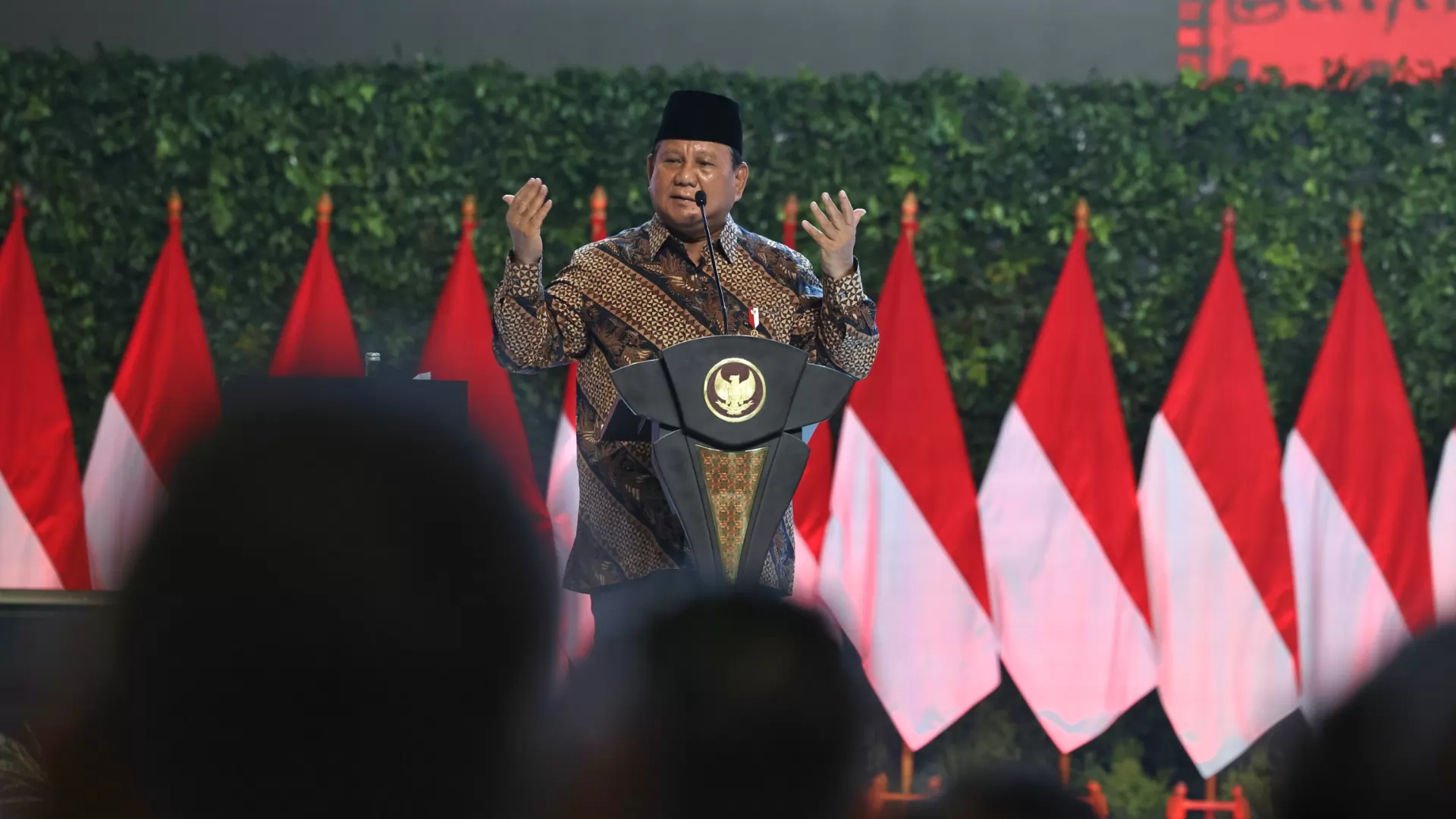
President Prabowo Responds to U.S. Tariff Policy: Indonesia Ready to Face Global Challenges
The President of the Republic of Indonesia, Prabowo Subianto, responded to the 32 percent import tariff imposed by U.S. President Donald Trump. In an Economic Forum titled “Strengthening Indonesia’s Economic Resilience Amid the Wave of Trade Tariffs,” held on April 8, 2025, President Prabowo asserted that Indonesia has the capacity to face the global dynamics triggered by the policy.
"Although the U.S. tariff policy has created uncertainty and anxiety in many countries, Indonesia will not waver. We are capable of managing this challenge by relying on our own strength," said Prabowo. He also emphasized the urgency of achieving national economic self-sufficiency, urging all elements of the nation to build an economy grounded in domestic strength, in line with the vision of the country's founding fathers.
Opportunities Amid Challenges
Despite the potential pressure arising from the tariff policy, the government sees positive aspects that can be leveraged to strengthen the structure of the national economy.
Firstly, the challenges posed by the U.S. trade policy are seen as a catalyst for improving the quality of domestic products and services, thereby enhancing Indonesia’s competitiveness in the global market. Secondly, this situation opens up opportunities to diversify export markets, encouraging Indonesia to explore new trade partnerships and reduce dependency on the U.S. market.
In addition, strengthening domestic industries has become a focal point. The import barriers created by the policy could in fact stimulate growth in the manufacturing and local industrial sectors to meet domestic demand, which has long relied on foreign products.
Risks That Must Be Monitored
On the other hand, the government remains vigilant about the potential negative impacts. One concern is a possible decline in export volume to the U.S., which could reduce foreign exchange earnings and weaken the trade balance. Furthermore, pressure on the rupiah exchange rate may intensify due to the risk of a trade deficit.
Industries that still rely heavily on raw materials or components from the U.S. also face specific challenges, particularly regarding increased production costs. This may affect retail prices and the availability of goods in the domestic market.
Diplomatic Measures and Trade Strategy
In response to the situation, the Indonesian government is taking proactive diplomatic steps. According to a Reuters report, a high-level delegation led by Coordinating Minister for Economic Affairs, Airlangga Hartarto, is scheduled to make an official visit to Washington to discuss mutually beneficial solutions.
As part of its strategy to maintain trade balance, Indonesia is also considering increasing imports from the United States, including commodities such as cotton, wheat, oil, and natural gas. This measure is expected to strengthen bilateral relations and maintain trade stability between the two countries.
Optimism for Growth Amid Global Pressure
With a range of strategic measures and diplomatic approaches in place, Indonesia remains optimistic in its ability to withstand the pressure of U.S. tariff policies while maintaining sustainable economic growth. The government reaffirmed its commitment to continuously strengthen the nation’s economic resilience amid the ever-evolving global geopolitical landscape.
What do you think about this topic? Tell us what you think. Don't forget to follow Digivestasi's Instagram, TikTok, Youtube accounts to keep you updated with the latest information about economics, finance, digital technology and digital asset investment.
DISCLAIMER
All information contained on our website is summarized from reliable sources and published in good faith and for the purpose of providing general information only. Any action taken by readers on information from this site is their own responsibility.
SHARE
VIEW


