





Saham News
Bank Central Asia (BBCA) Extends $17T IDR Loan to DCII Owned by Toto Sugiri-What's the Impact?
/index.php
Bisnis | Ekonomi - Posted on 10 April 2025 Reading time 5 minutes
President Prabowo’s Proposal to Lift Import Quotas Sparks Debate
President-elect Prabowo Subianto's proposal to open the door for unrestricted imports has sparked both support and criticism. On one hand, the move is seen as a pragmatic solution to ensure the availability of goods and curb inflation. On the other hand, economists warn that such a policy could pose long-term risks to local industries, exchange rate stability, and the sustainability of the national economy.
Prabowo’s Directive: Imports Without Quota Restrictions
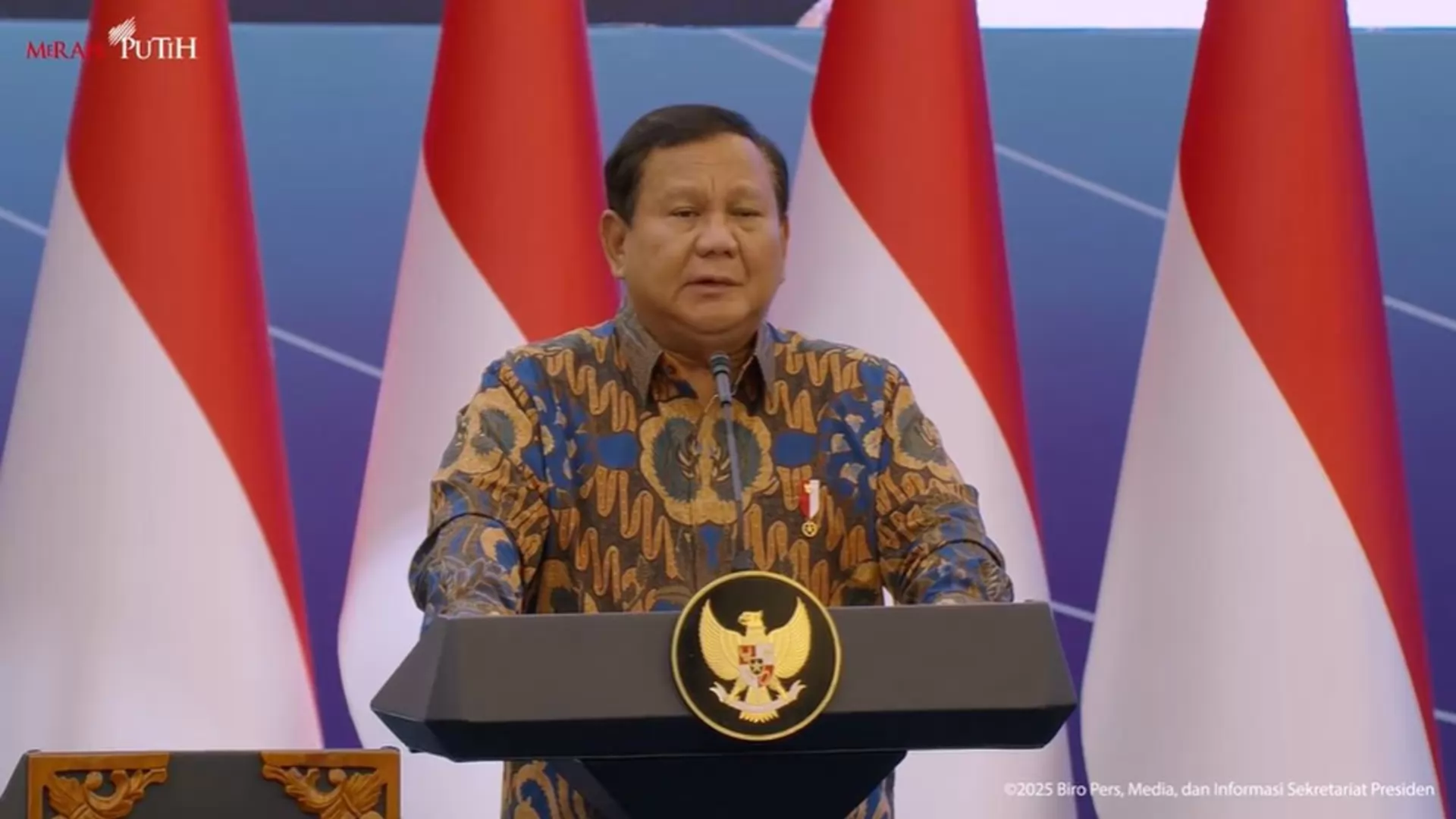
During the Economic Forum titled “Strengthening Indonesia’s Economic Resilience Amid the Wave of Trade Tariffs,” held at Menara Mandiri, Jakarta, on April 8, 2025, Prabowo stated that the availability of goods for the public should not be hindered by quota restrictions.
“If the people need goods, and those goods are not available, why should we restrict them? Just import them. Quotas are unnecessary,” Prabowo asserted, as quoted by Bisnis.com (08/04/2025).
According to him, the policy aims to safeguard national economic resilience by ensuring the availability of essential goods, especially when domestic production is insufficient to meet market demand.
INDEF’s Response: Risks to Economic Stability
In response, the Institute for Development of Economics and Finance (INDEF) voiced concerns. Andry Satrio Nugroho, Head of INDEF’s Center for Industry, Trade, and Investment, warned that eliminating import quotas could undermine economic stability.
In a report published by Bisnis.com, Andry explained that unrestricted imports may worsen the national trade deficit, particularly at a time when exports are weakening due to high tariffs imposed by key trading partners such as the United States.
He also pointed out that Indonesia’s trade surplus had significantly declined—from US$54.5 billion in 2022 to just US$31 billion in 2024.
Government’s Response: Policy Still Under Review
Trade Minister Budi Santoso clarified that the policy to eliminate import quotas is still under internal discussion. The government does not plan to implement it in the near future, as it requires a thorough assessment of its potential impact on the national economy.
Potential Positive Impacts of a No-Quota Import Policy
Lowering Consumer Prices
The availability of consumer goods and essential items, previously scarce, could be met more quickly and at lower prices, thanks to unrestricted import access.
Encouraging Healthy Competition
Competition from imported goods may push domestic businesses to improve efficiency, innovation, and product quality to remain competitive.
Controlling Inflation
With an increased supply of goods in the market, inflationary pressures could be reduced, helping to maintain consumers’ purchasing power.
Potential Negative Impacts of a No-Quota Import Policy
Weakening of Domestic Industries
Local products may struggle to compete with cheaper imported goods, potentially reducing the market share of domestic industries.
Trade Deficit
A surge in imports without a corresponding rise in exports could lead to a trade deficit, negatively affecting the country’s foreign exchange reserves.
Pressure on the Rupiah
A high demand for foreign currency to finance imports may lead to depreciation of the rupiah against the U.S. dollar.
Job Losses
If local industries are adversely affected by an influx of imported goods, companies may be forced to cut their workforce, leading to higher unemployment.
Conclusion: Comprehensive Review Required
President Prabowo’s proposal to lift import quotas has sparked a debate. While it is viewed as a practical approach to ensure supply and stabilize prices, economists caution that the long-term effects could be detrimental to local industry, currency stability, and the broader economy.
Therefore, the policy requires a comprehensive review and the involvement of all stakeholders to ensure it does not become a double-edged sword for Indonesia’s future economic trajectory.
What do you think about this topic? Tell us what you think. Don't forget to follow Digivestasi's Instagram, TikTok, Youtube accounts to keep you updated with the latest information about economics, finance, digital technology and digital asset investment.
DISCLAIMER
All information contained on our website is summarized from reliable sources and published in good faith and for the purpose of providing general information only. Any action taken by readers on information from this site is their own responsibility.
SHARE
VIEW


