





Saham News
Bareksa Analysts Pick PSAB and BBCA, Here's Their Outlook for the IHSG
/index.php
Bisnis | Ekonomi - Posted on 22 April 2026 Reading time 5 minutes
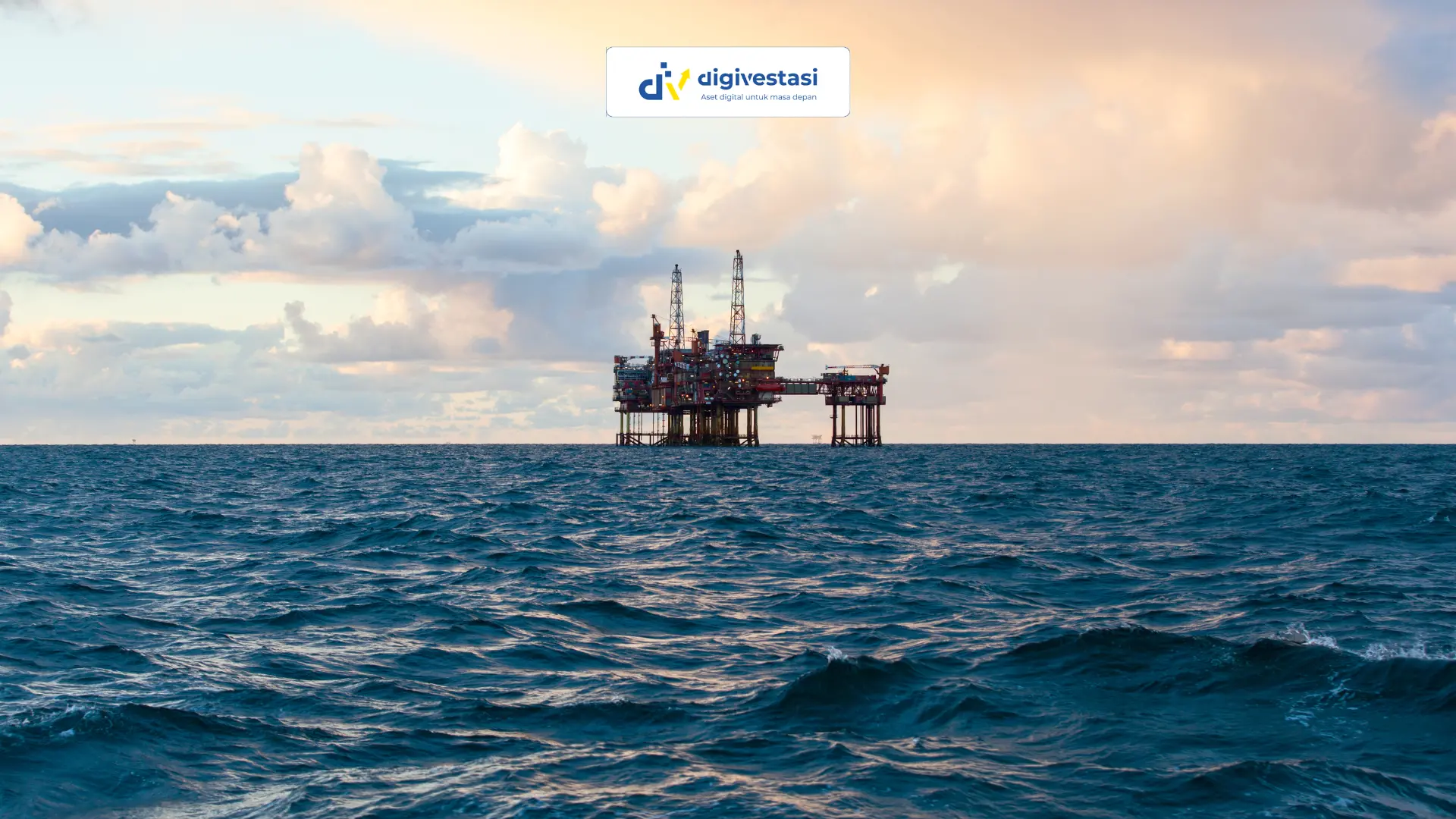
The global oil market is estimated to have lost at least 1 billion barrels due to the conflict in Iran. Vitol CEO Russell Hardy stated that not only crude oil but also refined products have been affected by the ongoing tensions in the Middle East.
The head of Vitol since 2018 explained that attacks on energy infrastructure in the Gulf region, along with the closure of the Strait of Hormuz, have resulted in the loss of around 12 million barrels of oil production per day since the United States and Israel first launched strikes on Iran in late February.
“Roughly speaking, the 1 billion barrel figure is now within reach, as we may have already lost around 600 million to 700 million barrels. However, once conditions begin to stabilize, restoring all disrupted infrastructure will take time,” Hardy said at the FT Commodities Global Summit in Lausanne.
He described the conflict as the most significant disruption to energy markets in his nearly 40-year career, even surpassing the Iraq-Kuwait war in 1990.
“At present, all spare capacity sits behind the Strait of Hormuz, making the impact immediate and significant,” he noted.
Commodity traders have repeatedly warned that the effects of the Strait of Hormuz closure are far from over, even if the United States and Iran reach an agreement in the coming days.
Market participants have also cautioned about a potential global food crisis due to reduced fertilizer supplies caused by disrupted gas flows from the Middle East. In addition, slower copper production linked to limited sulfuric acid supply from the Gulf, along with rising risks of energy shortages, adds further pressure as long as the strait remains closed.
The loss of 1 billion barrels is equivalent to roughly 10 days of global oil consumption and more than double the volume released from strategic reserves to stabilize energy supply.
A similar warning was delivered by Gunvor CEO Gary Pedersen, who emphasized the serious consequences of a prolonged closure of the Strait of Hormuz.
“When such a large volume of energy supply is removed from the supply chain for an extended period, the consequences are very real,” he said.
Frederic Lassere, head of research at Gunvor, predicted that the conflict could trigger a global recession if the strait is not reopened by the end of July.
“If we do not see a reopening within the next three months, this will become a macroeconomic issue that could push the world into recession,” he stated.
Meanwhile, Trafigura CEO Richard Holtum argued that although higher prices will weigh on economies, wealthier nations are likely to avoid severe physical shortages.
He compared the situation to Europe’s gas crisis following Russia’s invasion of Ukraine in 2022, when Europe lost one-third of its gas supply but did not experience blackouts.
“Prices surged, but there was no physical shortage. A similar pattern is likely here. Wealthier countries will shield their consumers, while less affluent nations will bear the impact through reduced demand,” he explained.
Traders and analysts remain skeptical about the United States’ ability to quickly reach a deal with Iran that would reopen the Strait of Hormuz in the near term.
Helima Croft, head of global commodity strategy at RBC Capital Markets, noted that U.S. equity markets are still trading near record highs partly because investors are overly optimistic about a swift resolution.
“There is a perception that President Donald Trump could simply resolve this issue from the White House,” she said.
“People keep saying he could step back, but in reality, it takes two sides to reach a deal,” she added.
Source: cnbcindonesia.com
What do you think about this topic? Tell us what you think. Don't forget to follow Digivestasi's Instagram, TikTok, Youtube accounts to keep you updated with the latest information about economics, finance, digital technology and digital asset investment.
DISCLAIMER
All information contained on our website is summarized from reliable sources and published in good faith and for the purpose of providing general information only. Any action taken by readers on information from this site is their own responsibility.
SHARE
VIEW


