






Crypto News
Revealed! Who Owns the Most Bitcoin in 2026? Shocking Data & Top Holders List
/index.php
Bisnis | Ekonomi - Posted on 01 August 2025 Reading time 5 minutes
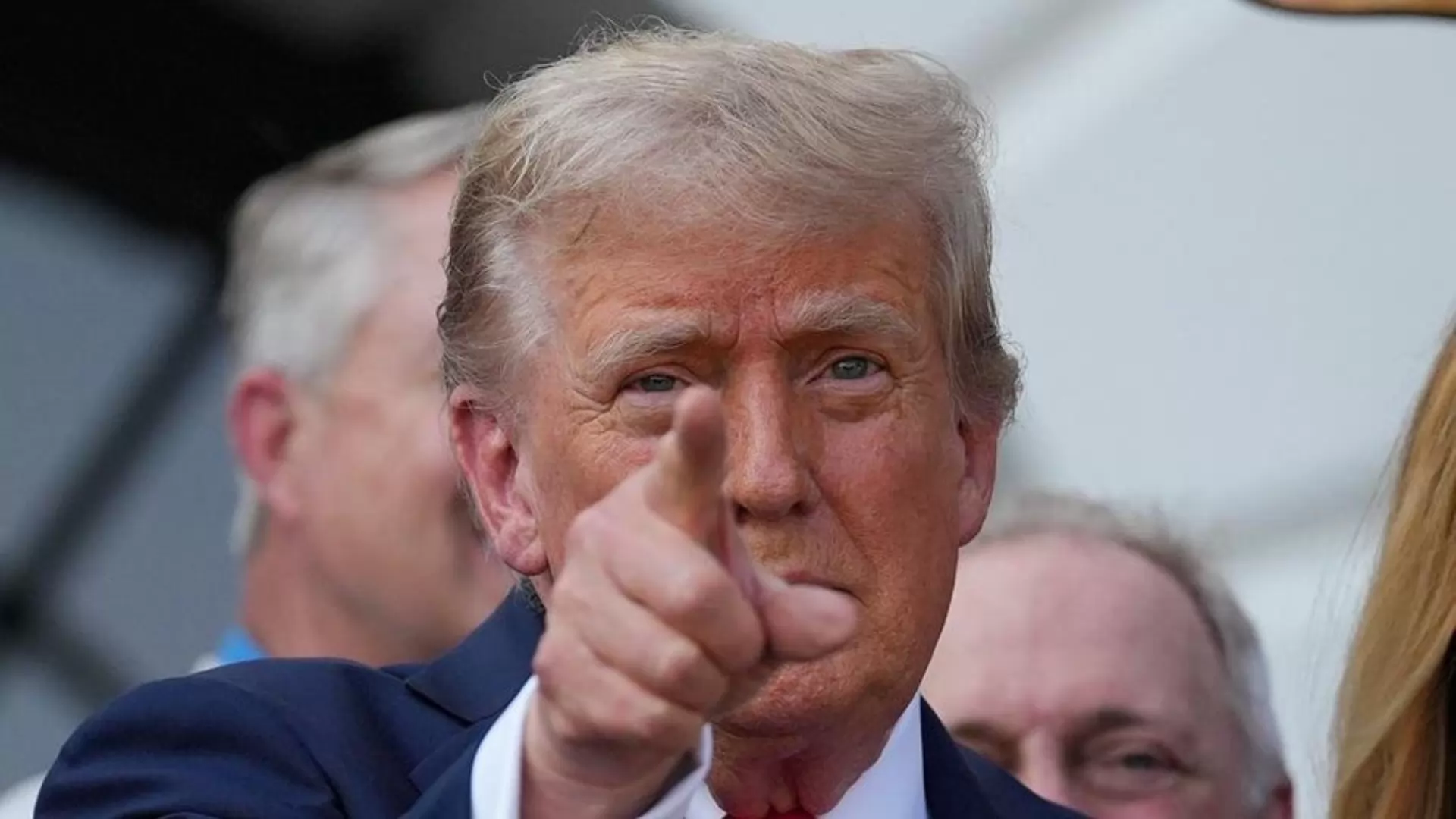
News Summary: U.S. President Donald Trump imposed a 19% import tariff on products from Malaysia, Thailand, and Cambodia, matching the rate already applied to Indonesia and the Philippines. Malaysia seeks closer trade ties with the U.S. and hopes to keep the tariff below 20%, while Thailand offers greater market access to avoid higher duties. Thailand and Cambodia agreed to a ceasefire after a conflict, and the U.S. warned that trade talks would be halted if the dispute resumed.
President Donald Trump of the United States has announced a 19% import tariff on exports from Malaysia, Thailand, and Cambodia. The measure is included in an executive order he signed on Thursday, July 31, 2025 (local time), just ahead of the August 1 deadline he set for partner countries to initiate trade framework discussions with his administration. The new tariff for Malaysia is notably lower than the 25% previously threatened in July. Earlier, Thailand and Cambodia faced potential tariffs as high as 36%. These new duties now align with those already imposed on Indonesia and the Philippines, which previously concluded their trade agreements with the U.S.
According to Bloomberg on Friday (August 1, 2025), Malaysia has worked to strengthen its trade ties with the U.S. by cracking down on the smuggling of advanced semiconductors through its territory and by helping mediate a ceasefire between Thailand and Cambodia. Prime Minister Anwar Ibrahim's administration had aimed to secure a tariff rate below 20%, aligning with neighboring countries like Vietnam, Indonesia, and the Philippines.
Anwar said on Thursday that Trump informed him via a phone call that the tariff decision for Malaysia would be made public on Friday (Malaysia time). In his speech, Anwar added that Trump had expressed appreciation for Malaysia’s efforts in facilitating the resolution of the border dispute between Thailand and Cambodia.
Malaysia’s Minister of Investment, Trade, and Industry, Tengku Zafrul Aziz, reiterated that the country maintains several red lines in its trade negotiations, including preserving national sovereignty and not sacrificing ties with other trading partners solely to reach a deal with the U.S.
Thailand–Cambodia Ceasefire: Earlier this week, the leaders of Thailand and Cambodia agreed to end their five-day conflict. Previously, Trump had threatened to halt trade talks if the hostilities continued. However, the agreement was put to the test when Thailand accused Cambodian forces of firing unprovoked shots, violating the truce.
U.S. Trade Secretary Howard Lutnick stated that deals had been reached with both Thailand and Cambodia, though he did not reveal any specifics. In a last-minute effort to avoid steeper tariffs, Thailand pledged to offer broader market access to American products, promising to lift tariffs on 90% of its imports.
Additionally, Thailand committed to reducing its trade surplus with the U.S.—which currently stands at $46 billion—by 70% within three years, and to curb transshipment practices from other countries. Prior to the tariff announcement, Thai Finance Minister Pichai Chunhavajira expressed expectations that the U.S. would impose a rate in line with other Southeast Asian nations, around 20%.
The U.S. was Thailand’s largest export market last year, accounting for about 18% of total outbound shipments. As Thailand’s economy is heavily export-dependent, securing lower U.S. tariffs is considered vital to mitigating external economic pressure. The country is currently grappling with Southeast Asia’s highest household debt and sluggish domestic consumption.
Source: bisnis.com
What do you think about this topic? Tell us what you think. Don't forget to follow Digivestasi's Instagram, TikTok, Youtube accounts to keep you updated with the latest information about economics, finance, digital technology and digital asset investment.
DISCLAIMER
All information contained on our website is summarized from reliable sources and published in good faith and for the purpose of providing general information only. Any action taken by readers on information from this site is their own responsibility.
SHARE
VIEW


