






Crypto News
Revealed! Who Owns the Most Bitcoin in 2026? Shocking Data & Top Holders List
/index.php
Bisnis | Ekonomi - Posted on 19 August 2025 Reading time 5 minutes
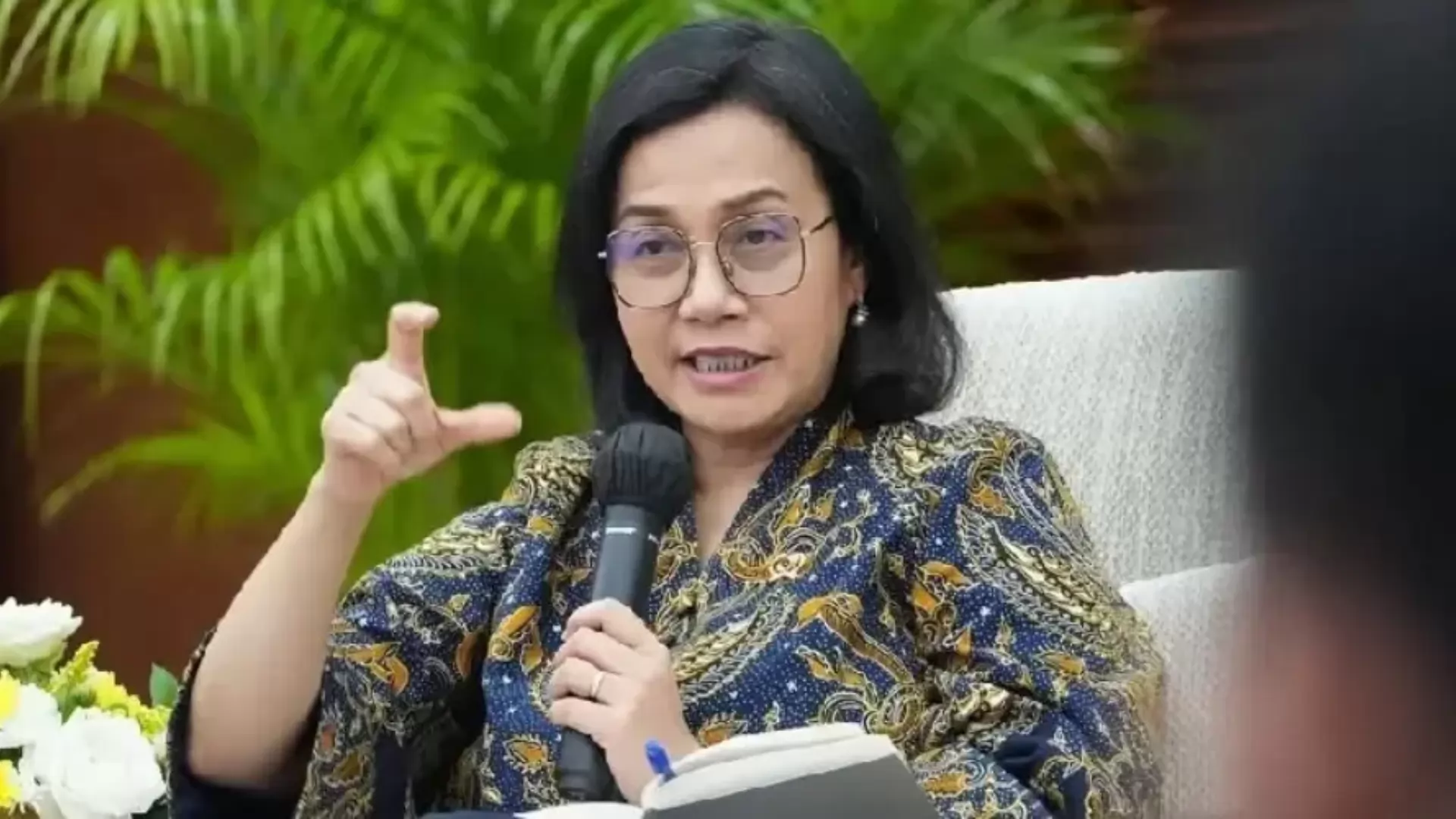
The government plans to intensify efforts to collect taxes from economic activities that have long been difficult to monitor, commonly referred to as the shadow economy, starting in 2026 as outlined in the Financial Notes and the 2026 Draft State Budget (RAPBN).
Several business sectors have already been targeted by the government due to their significant involvement in the shadow economy, including retail trade, food and beverages, gold trading, and fisheries.
The Directorate General of Taxes (DJP) under the Ministry of Finance defines the shadow economy as economic activities that are difficult for authorities to detect, which therefore escape taxation. It is also known as the black economy, underground economy, or hidden economy.
Finance Minister Sri Mulyani Indrawati emphasized that taxing the shadow economy will play a key role in achieving the 2026 tax revenue target of Rp 2,357.71 trillion without raising existing tax rates.
“This is actually also related to the shadow economy and many illegal activities,” Sri Mulyani said during the RAPBN 2026 press conference on Tuesday (August 19, 2026).
To address the risks posed by the shadow economy, which could erode the tax base, the government has since 2025 initiated studies to measure and map the shadow economy in Indonesia, designed a special Compliance Improvement Program (CIP), and strengthened intelligence analysis to support law enforcement against high-risk taxpayers.
“The government will also carry out intelligence studies to further explore the potential of the shadow economy,” the RAPBN 2026 document stated.
Concrete measures taken so far include the integration of the National Identity Number (NIK) with the Taxpayer Identification Number (NPWP), which became effective through the implementation of the Core Tax Administration System (CTAS) on January 1, 2025.
Active canvassing has also been conducted to identify unregistered taxpayers, while foreign entities have been appointed to collect VAT on digital trade (PMSE) transactions to enhance oversight and boost revenue.
Tax administration services will continue to be modernized through the implementation of Coretax (CTAS), and business data from the OSS system of the Investment Coordinating Board (BKPM) will be utilized to register MSMEs.
Additionally, the government is conducting data matching on business operators from digital platforms who are not yet fiscally identified, in order to strengthen the tax database and improve overall compliance.
“Going forward, the government will focus its supervision on sectors with high shadow economy activity, such as retail trade, food and beverages, gold trading, and fisheries,” the RAPBN 2026 document stated.
Source: cnbcindonesia.com
What do you think about this topic? Tell us what you think. Don't forget to follow Digivestasi's Instagram, TikTok, Youtube accounts to keep you updated with the latest information about economics, finance, digital technology and digital asset investment.
DISCLAIMER
All information contained on our website is summarized from reliable sources and published in good faith and for the purpose of providing general information only. Any action taken by readers on information from this site is their own responsibility.
SHARE
VIEW


