


Saham News
Bank Central Asia (BBCA) Extends $17T IDR Loan to DCII Owned by Toto Sugiri-What's the Impact?
/index.php
Bisnis | Ekonomi - Posted on 17 April 2025 Reading time 5 minutes
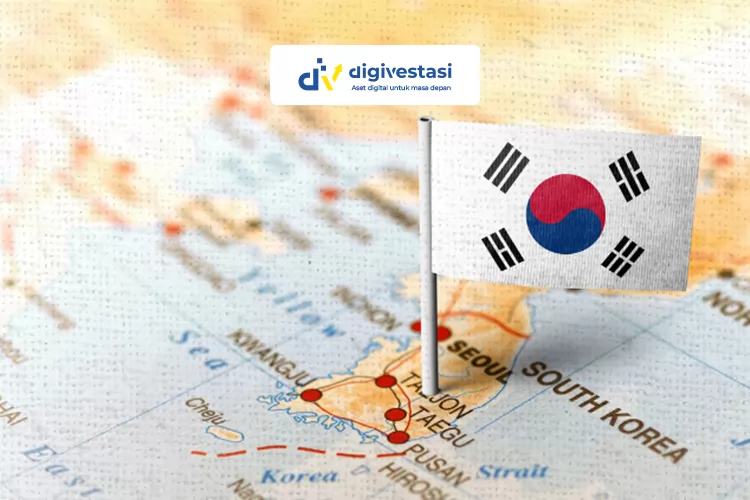
Bank of Korea Maintains Interest Rate at 2.75% Amid Global Economic Uncertainty
The Bank of Korea (BOK) decided to maintain its benchmark interest rate at 2.75% on April 17, 2025. This decision was made to support the depreciating won amid increasing global economic uncertainty. It is also a response to the tariff policy implemented by U.S. President Donald Trump, who imposed a 25% tariff on South Korean exports, although the tariff’s implementation was delayed for three months.
According to a report from Reuters, South Korea’s Minister of Finance, Choi Sang-mok, stated that the U.S. tariffs pose an additional threat to the country's economy, and South Korea is currently negotiating with the U.S. to further delay the implementation of these tariffs. To mitigate the economic impact, the South Korean government plans to introduce a stimulus budget of 12 trillion won, with a potential additional budget of 20 trillion won this year. However, this move is expected to affect South Korea's economic growth in 2026.
In the wake of the impeachment of President Yoon Suk Yeol, South Korea is attempting to delay the imposition of U.S. tariffs through diplomatic channels. The focus is on cooperation in strategic sectors such as natural gas power plants in Alaska and the shipbuilding industry. These efforts aim to reduce the uncertainty faced by South Korean businesses.
The Bank of Korea’s decision to maintain the interest rate reflects an effort to maintain economic stability amid increasing external pressures. While fiscal stimulus may provide short-term support, the reliance on both monetary and fiscal policies to address the impact of U.S. tariffs highlights deeper structural challenges within South Korea’s economy. Domestic political uncertainty and global trade tensions add further complexity in formulating effective policies.
South Korea now faces significant economic challenges due to U.S. tariff policies, which could impact key sectors such as semiconductors and automotive. The policy measures taken, such as the interest rate delay and fiscal stimulus, reflect a response to the increasing external risks. However, the success of these strategies will heavily depend on the outcome of trade negotiations and domestic political stability.
What do you think about this topic? Tell us what you think. Don't forget to follow Digivestasi's Instagram, TikTok, Youtube accounts to keep you updated with the latest information about economics, finance, digital technology and digital asset investment.
DISCLAIMER
All information contained on our website is summarized from reliable sources and published in good faith and for the purpose of providing general information only. Any action taken by readers on information from this site is their own responsibility.
SHARE
VIEW


