






Saham News
Bareksa Analysts Pick PSAB and BBCA, Here's Their Outlook for the IHSG
/index.php
Bisnis | Ekonomi - Posted on 25 March 2026 Reading time 5 minutes
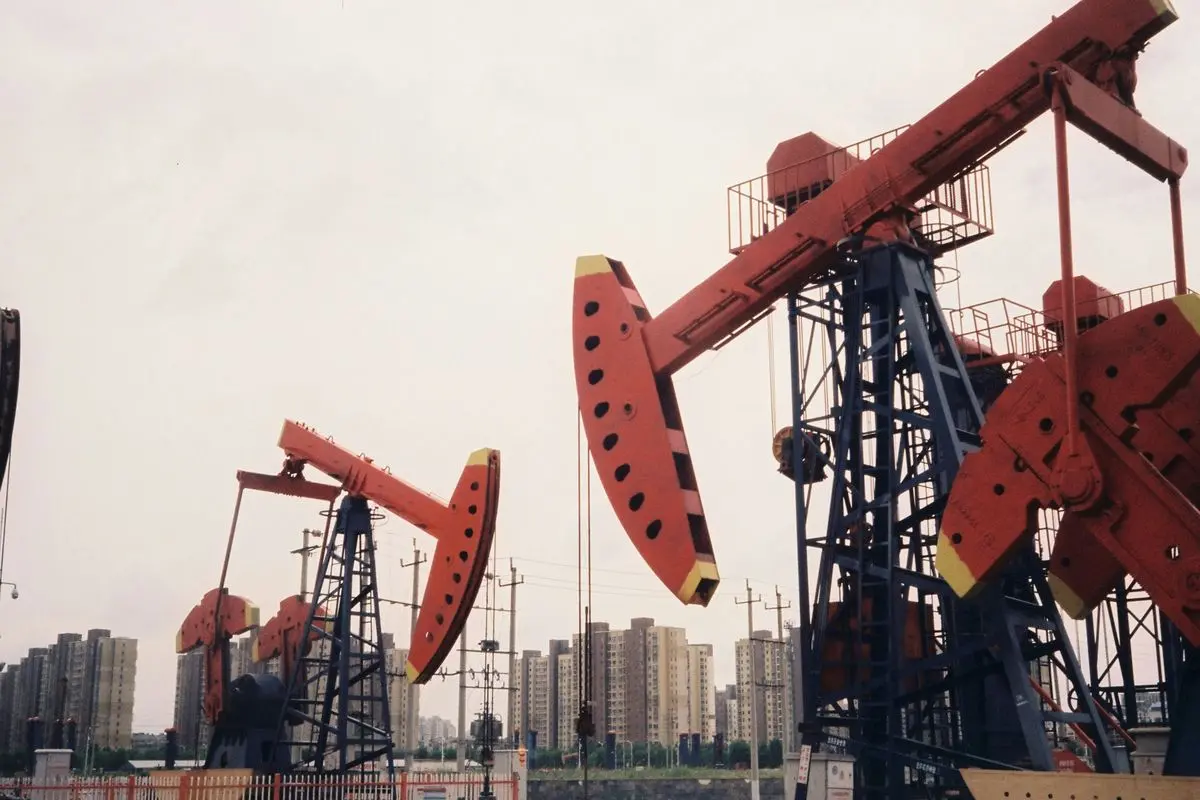
Global crude oil prices have surged again, surpassing the 100 US dollars per barrel level amid ongoing uncertainty surrounding the conflict between the United States, Israel, and Iran, which has yet to subside.
Brent crude rose by 4.55 percent to 104.49 US dollars per barrel, while West Texas Intermediate (WTI) gained 4.79 percent to reach 92.35 US dollars per barrel.
US President Donald Trump stated that there is still a possibility for the conflict to end in the near future.
Speaking during the inauguration of Markwayne Mullin as Secretary of Homeland Security, Trump claimed that Iran had been “completely defeated” and said that the United States was currently engaged in negotiations with Iranian leaders.
However, the Iranian government denied any direct communication with Washington and described the claim as an attempt to influence global energy prices and stock markets.
These tensions have triggered high volatility in global energy markets. The US and Israeli attacks on Iran were met with retaliation from Tehran, which effectively blocked the Strait of Hormuz, a critical route through which around 20 percent of the world’s oil and liquefied natural gas supply passes daily.
As a result, oil prices briefly surged to 113 US dollars per barrel before moving erratically.
Chief executive Wael Sawan warned of a potential oil supply shortage in Europe starting next month. He explained that the energy crisis has spread from South Asia to Southeast Asia and East Asia, and is expected to intensify in Europe by April.
“South Asia was the first region to feel the impact. It then shifted to Southeast Asia, East Asia, and will become more pronounced in Europe entering April,” he said, as quoted by BBC on Wednesday (March 25, 2026).
Oil prices briefly declined following Trump’s statement delaying attacks on Iran’s energy infrastructure for five days after what were described as constructive talks.
However, doubts over the effectiveness of these negotiations pushed oil prices back above 103 US dollars per barrel.
In the stock market, global indices showed mixed movements. In the United States, the S&P 500 index fell 0.37 percent to close at 6,556.37.
In Europe, London’s FTSE 100 rose by 0.72 percent, Germany’s DAX edged slightly lower, and France’s CAC 40 gained 0.23 percent.
In contrast, Asian markets recorded gains, with Japan’s Nikkei 225 rising 1.4 percent, while the Hang Seng Index and KOSPI both climbed more than 2.7 percent.
The impact of the conflict has also begun to affect the real sector. Businesses in the UK reported the largest increase in input costs since 1992, based on the S&P Global Purchasing Managers’ Index survey.
Several countries have started taking measures to mitigate the impact of rising energy prices. The United States has eased some sanctions on Russia and Iranian oil, while China has delayed fuel price increases to reduce pressure on consumers.
Source: kompas.id
What do you think about this topic? Tell us what you think. Don't forget to follow Digivestasi's Instagram, TikTok, Youtube accounts to keep you updated with the latest information about economics, finance, digital technology and digital asset investment.
DISCLAIMER
All information contained on our website is summarized from reliable sources and published in good faith and for the purpose of providing general information only. Any action taken by readers on information from this site is their own responsibility.
SHARE
VIEW


