






Crypto News
Revealed! Who Owns the Most Bitcoin in 2026? Shocking Data & Top Holders List
/index.php
Bisnis | Ekonomi - Posted on 22 July 2025 Reading time 5 minutes
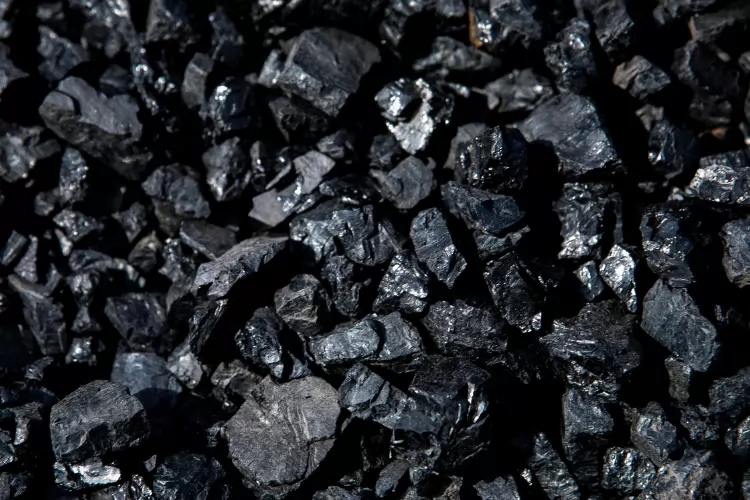
Coal prices have once again weakened amid a wave of negative developments. Indonesia, in particular, has been hit with two major blows: the global price collapse and new policy changes from China.
According to Refinitiv data, coal prices closed at US$109.5 per ton on Monday, July 21, 2025, marking a 0.72% decline. This drop extended coal’s negative streak to two consecutive days, with a cumulative fall of 2.7%.
This latest closing price is the lowest since June 27, 2025—nearly a month ago.
Interestingly, coking coal prices in China had actually risen last week, due to tight supply and strong demand from downstream industries.
Coke producers and speculative traders actively restocked, which helped boost market sentiment. Despite the ongoing supply constraints, purchases from the steel sector have continued to support the upward price trend.
China's electricity consumption in June 2025 rose by 5.4% year-on-year to 867 billion kilowatt-hours.
Cumulatively, from January to June 2025, electricity usage reached 4.84 trillion kilowatt-hours, up 3.7% from the same period last year.
However, the positive signals from China weren’t enough to lift coal prices significantly. A series of other negative factors continued to weigh down the market.
Colombian coal exports declined, and Russian sellers kept offering coal at discounted rates to non-sanctioning countries, limiting any potential global price surges.
Meanwhile, the weakening US dollar and rising gas prices offered only short-term support for the market.
India also now holds vast coal reserves, and domestic production has ramped up, reducing reliance on imports.
Future demand from countries like Turkey, China, and India is expected to remain subdued due to the ongoing monsoon season.
While increased FOB and ARA shipping discounts have briefly attracted buyers back to the petcoke market, uncertainties around tariffs and the low prices of Russian coal continue to drag demand.
China is currently overhauling its coal supply strategy, a move that is significantly impacting Indonesia’s coal market.
The reduction in coal imports from Indonesia reflects a broader shift toward more energy-efficient coal, driven by growing domestic production and volatile global prices. As a result, Indonesia's lower-grade coal is suffering, while global demand for high-calorific coal is on the rise.
China’s imports of coal from Indonesia—its largest supplier—fell by 30% year-on-year in June, down to just 11.62 million tons.
From January to June 2025, total coal imports from Indonesia amounted to 90.98 million tons, marking a 12% decline compared to the same period last year.
In June alone, China’s total coal imports from all sources dropped to 33.04 million tons, down 26% year-on-year and the lowest level since February 2023.
This decline was driven by a transition to more energy-dense high-calorie coal and a surge in China’s own domestic output, reducing the need for imports. A Reuters analysis noted that both China and India are starting to shift interest toward high-grade coal from countries such as Mongolia, South Africa, Colombia, and Australia.
It’s important to highlight that China is Indonesia’s second-largest coal export market, contributing around 20% to its total export volume.
Source: cnbcindonesia.com
What do you think about this topic? Tell us what you think. Don't forget to follow Digivestasi's Instagram, TikTok, Youtube accounts to keep you updated with the latest information about economics, finance, digital technology and digital asset investment.
DISCLAIMER
All information contained on our website is summarized from reliable sources and published in good faith and for the purpose of providing general information only. Any action taken by readers on information from this site is their own responsibility.
SHARE
VIEW


