






News Update
US Warship Hit by Missile! Why Trump Pulled Troops & What It Means
/index.php
Bisnis | Ekonomi - Posted on 17 May 2025 Reading time 5 minutes
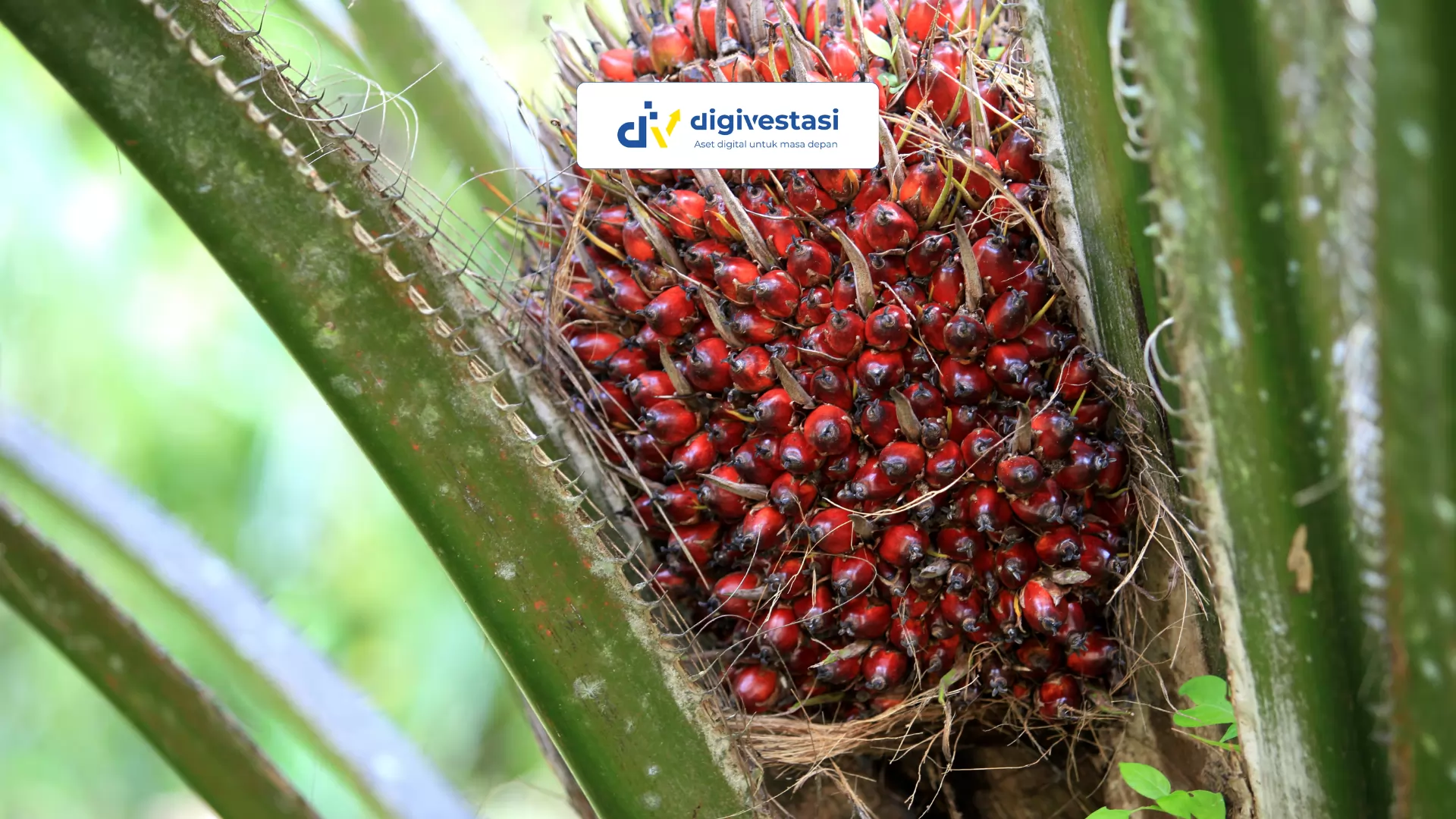
The government has officially raised the export levy (PE) rate on crude palm oil (CPO) and its derivative products from 7% to 10%.
This new provision is stated in the Ministry of Finance Regulation (PMK) Number 30 of 2025, as part of an effort to increase the productivity of domestic palm plantations.
The updated PE tariff on CPO became effective starting Saturday, May 17, 2025, which is three days after the regulation was enacted on May 14, 2025.
The regulation is also intended to "add value to downstream products at the farmer level," which also serves as part of the funding for the biodiesel program currently promoted by the government.
The policy is expected to increase revenue for the Palm Oil Plantation Fund Management Agency (BPDPKS), which provides financing to support the expansion of the biodiesel blending program and the replanting or rejuvenation of old palm oil plantations.
In response, the Indonesian Palm Oil Association (Gapki) considers the decision to be somewhat rushed.
This concern arises because the increase is implemented amid the turmoil of a trade war resulting from tariff policies imposed by the President of the United States, which could also affect CPO-producing industries like Indonesia and other producing countries.
Fadhil Hasan, Gapki's Head of Foreign Affairs, stated in an interview on Thursday (May 15, 2025) that the move should not have been made at this time. He suggested waiting for two months or until there is a trade tariff negotiation agreement with the U.S. to ensure a more accurate response.
Moreover, Fadhil warned that this decision could erode the competitiveness of domestic CPO and negatively impact Indonesia’s position compared to other producing countries.
In other words, the PE increase will automatically push Indonesian palm oil prices higher, making them less competitive compared to neighboring countries like Malaysia.
“This will put additional pressure on the competitiveness of Indonesian palm oil products compared to Malaysia, widening the price gap,” he said.
He added that this policy could also eliminate export markets for Indonesian CPO, as the rise in export levies will likely increase the export prices of the country’s flagship commodity, which in turn will weaken Indonesia’s competitiveness due to uncompetitive pricing.
“Yes, our export markets might shift,” concluded Fadhil.
Source: bloombergtechnoz.com
What do you think about this topic? Tell us what you think. Don't forget to follow Digivestasi's Instagram, TikTok, Youtube accounts to keep you updated with the latest information about economics, finance, digital technology and digital asset investment.
DISCLAIMER
All information contained on our website is summarized from reliable sources and published in good faith and for the purpose of providing general information only. Any action taken by readers on information from this site is their own responsibility.
SHARE
VIEW


