




News Update
4 Simple Ways to Manage Emotions in Business-A Key to Entrepreneurial Success
/index.php
Berita Terkini - Posted on 05 July 2025 Reading time 5 minutes
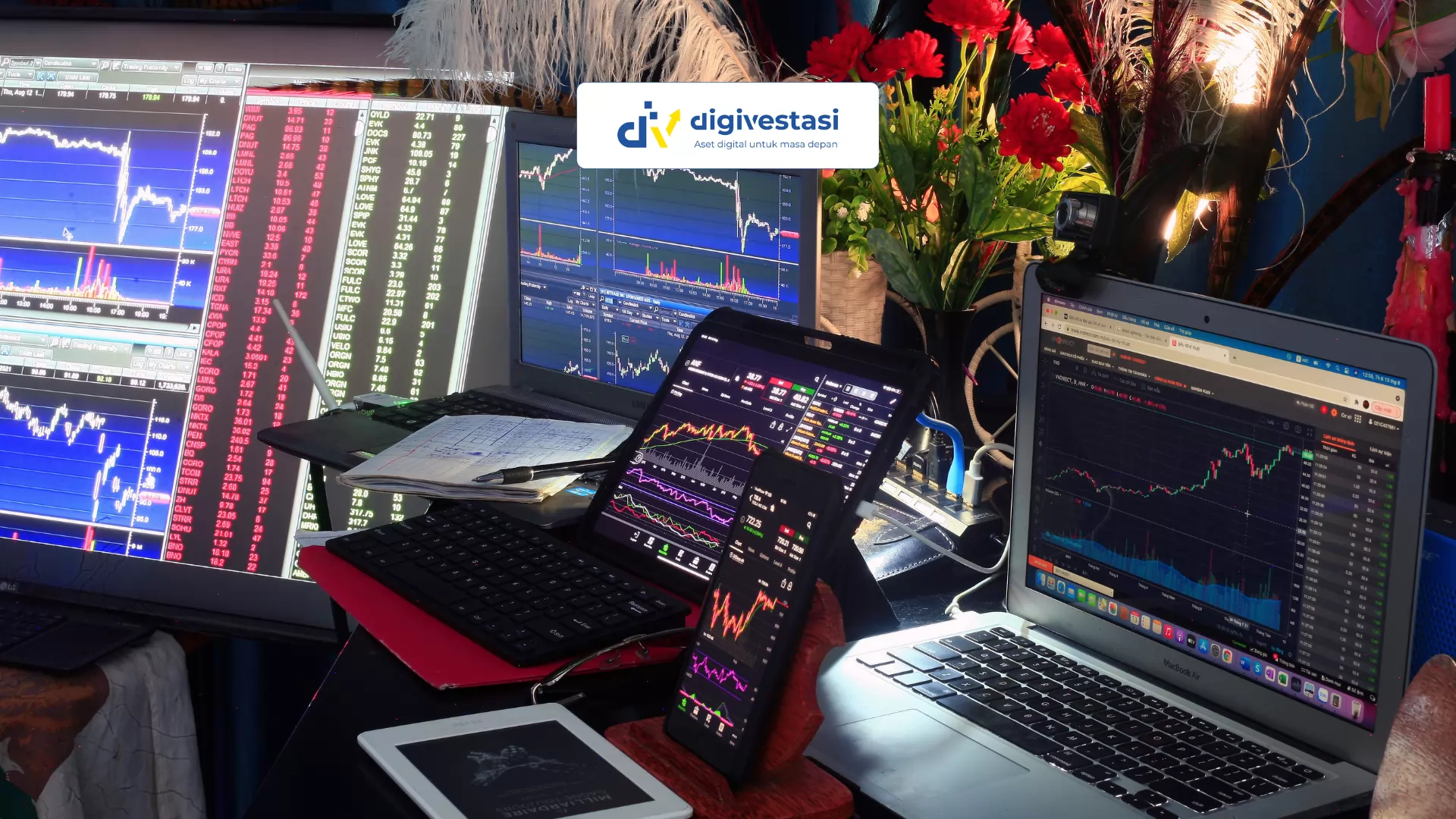
The digital finance industry continues to deliver breakthroughs through three key innovations: tokenized stocks, micro futures, and ETF staking. These innovations aim to broaden access to investments, offering potentially more attractive returns. However, they also introduce regulatory and technological challenges that must be carefully considered.
Global fintech companies such as Robinhood have begun offering tokenized stocks in the European market. Through this service, investors can access over 200 U.S. stocks and ETFs in digital token form. Key advantages include 24-hour trading over five business days, commission-free transactions, and dividends that are distributed directly to investors’ digital wallets.
The blockchain technology behind this innovation enables the transformation of traditional stocks into digital assets, opening the door for retail investors to participate in equity markets in a new and more flexible way.
Robinhood has also launched derivative products in the form of crypto perpetual micro futures with leverage of up to 3x in Europe. In the U.S. market, micro futures contracts are available for assets such as XRP and Solana. For example, XRP futures contracts can now be traded in smaller volumes of around 2,500 tokens, making them more affordable for retail investors who wish to try derivative instruments without committing large capital.
On another front, ETF staking has begun to attract attention in global financial markets. The U.S. Securities and Exchange Commission (SEC) is currently reviewing proposals for Ethereum- and Solana-based ETFs that integrate staking features. These ETFs would allow investors to earn passive yields of approximately 1.9% to 2.2%, without the need to manage validator nodes independently.
If approved, these products would offer investors a new channel to earn yield from crypto assets through officially listed financial instruments.
| Product | Opportunities | Risks |
|---|---|---|
| Tokenized Stocks | Global market access with extended trading hours (24/5); commission-free transactions | Regulatory differences between countries; potential wallet-related technical risks |
| Micro Futures | Affordable entry into derivatives; improved risk management potential | High leverage risk, which may amplify potential losses |
| ETF Staking | Passive income without technical staking expertise | Service fees, unbonding periods, and slashing risks |
The emergence of tokenized stocks, micro futures, and ETF staking highlights the rapid evolution of the digital finance sector. These products create new opportunities for retail investors to expand their portfolios and increase their participation in global markets.
However, each innovation brings its own set of challenges, ranging from complex cross-border regulations and technological risks to digital asset governance concerns.
For beginner investors, conducting thorough research before investing is strongly recommended. Carefully review the applicable regulations in your region, understand the service fees and risks associated with these new instruments, and develop a well-planned and measured capital allocation strategy.
What do you think about this topic? Tell us what you think. Don't forget to follow Digivestasi's Instagram, TikTok, Youtube accounts to keep you updated with the latest information about economics, finance, digital technology and digital asset investment.
DISCLAIMER
All information contained on our website is summarized from reliable sources and published in good faith and for the purpose of providing general information only. Any action taken by readers on information from this site is their own responsibility.
SHARE
VIEW


