






Saham News
IHSG Drops 1.06% Ahead of MSCI Review and BI Rate Decision
/index.php
Berita Terkini - Posted on 21 November 2025 Reading time 5 minutes
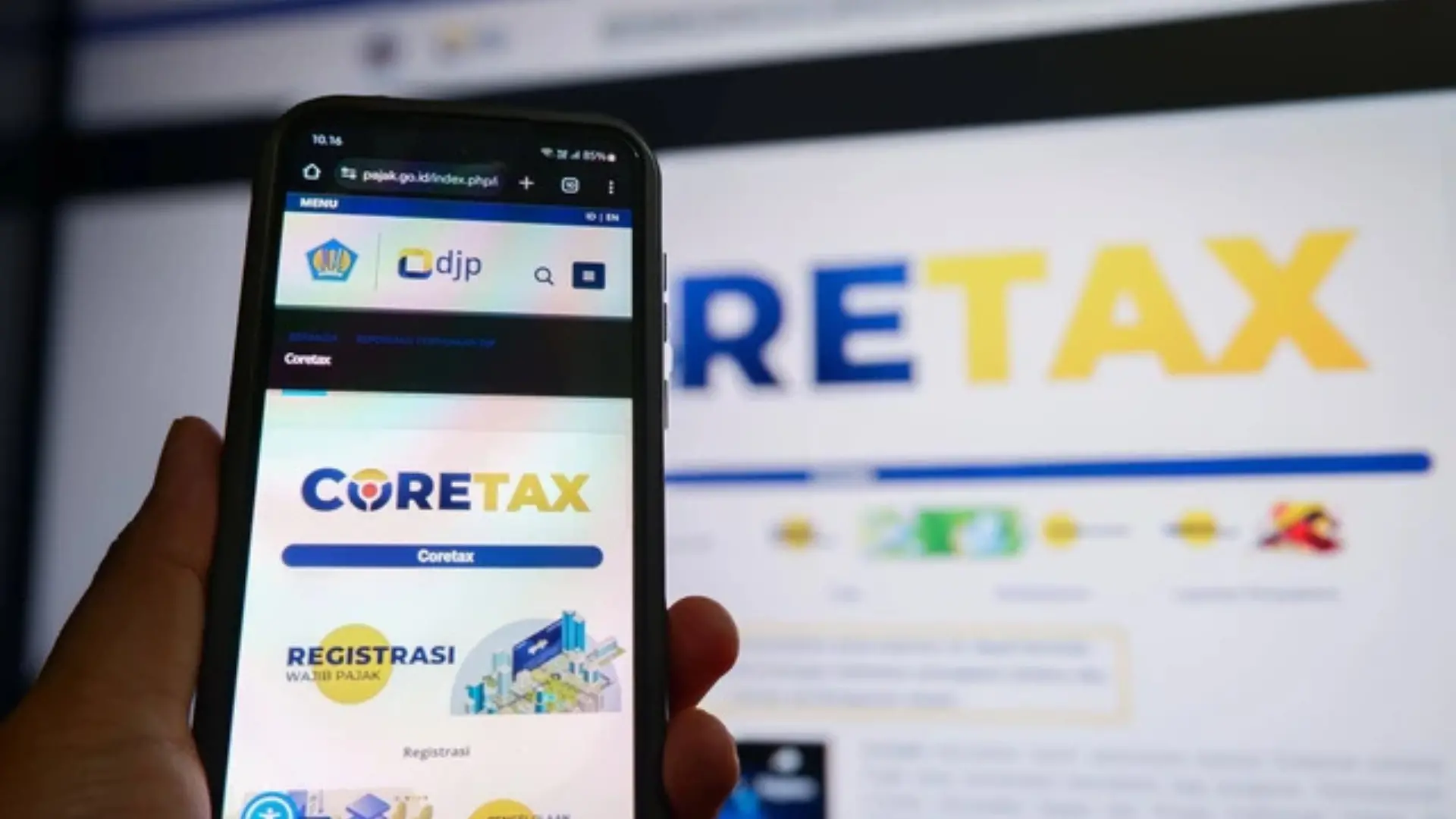
The Directorate General of Taxes (DJP) reported that as of November 16, 2025, only about 3.18 million out of approximately 14 million registered taxpayers had activated their Coretax accounts.
Director General of Taxes, Bimo Wijayanto, detailed that the activations consist of 599,000 Corporate/Cooperative Taxpayers and 2.6 million individual taxpayers, which is around 21.6% of DJP’s target.
“Of those 2.6 million individual taxpayers, around 1.6 million—or 11.92% of all registered taxpayers—have completed authorization code registration and digital signatures,” Bimo stated during the APBN Kita Press Conference on Thursday (Nov 20, 2025).
Bimo emphasized that DJP continues to strengthen cooperation with various ministries and institutions to accelerate Coretax registration. This effort is crucial because the new tax system will be utilized for filing the 2026 Annual Tax Return (SPT).
“One of the initiatives involves the Ministry of Administrative and Bureaucratic Reform (PAN-RB), which mandates all civil servants (ASN), military personnel (TNI), and police officers (Polri) to activate their accounts and register authorization codes through Coretax no later than December 31, 2025,” Bimo explained.
He also urged individual taxpayers and companies to promptly activate their Coretax accounts.
“We call on the public and all responsible taxpayers to voluntarily register and activate their identities in Coretax,” he said.
“We also expect companies, corporate taxpayers, and employers to intensify Coretax registration activities within their organizations,” he added.
To activate a DJP Coretax account, the steps are quite simple. Below are the procedures as outlined on the DJP website:
Main requirement: having a Tax Identification Number (NPWP). The activation process is as follows:
Visit the Coretax DJP website and select Taxpayer Account Activation.
Tick the question “Is the taxpayer already registered?”.
Enter the NPWP and click Search.
Fill in the email address and mobile number registered on DJP Online. (For any data changes, contact the Tax Call Center at 1500200 or visit the nearest tax office.)
Complete identity verification.
Tick the confirmation statement and click Save.
Check email for the Taxpayer Account Issuance Letter containing a temporary password. Ensure the email is from the official @pajak.go.id domain.
Log back in to Coretax, change the password, and create a passphrase.
KO DJP is an official electronic signature issued by the tax authority. All tax documents submitted via Coretax must be signed with KO DJP. To create one:
Log in to Coretax DJP.
Navigate to My Portal and select Authorization Code/Electronic Certificate Request.
Fill in the digital certificate details and choose a certificate provider (including DJP-managed providers).
Enter the Signer ID or create a passphrase.
Tick the confirmation box and click Submit.
Upon success, a notification reading “Digital Certificate Successfully Created” will appear.
Download the receipt and digital certificate issuance letter.
Go to My Portal and open My Profile.
Select External Identification Number and open the Digital Certificate tab.
Ensure the status shows VALID. If still INVALID, click Check Status.
If validation is successful, click the Generate button.
The DJP Authorization Code Issuance Document will appear in the My Documents menu.
By completing these steps, the taxpayer’s KO DJP will be fully active and validated. This enables taxpayers to fulfill their 2025 Annual Tax Return obligations starting early 2026 efficiently and securely.
Source: cnbcindonesia.com
What do you think about this topic? Tell us what you think. Don't forget to follow Digivestasi's Instagram, TikTok, Youtube accounts to keep you updated with the latest information about economics, finance, digital technology and digital asset investment.
DISCLAIMER
All information contained on our website is summarized from reliable sources and published in good faith and for the purpose of providing general information only. Any action taken by readers on information from this site is their own responsibility.
SHARE
VIEW


