






Saham News
Bank Central Asia (BBCA) Extends $17T IDR Loan to DCII Owned by Toto Sugiri-What's the Impact?
/index.php
Crypto News - Posted on 30 March 2025 Reading time 5 minutes
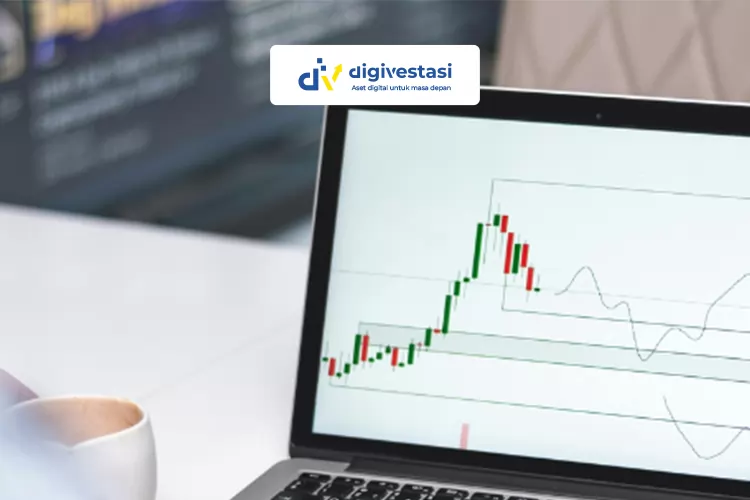
Volatility is a term frequently used in the trading world, including cryptocurrency trading, to describe the degree of price fluctuations or changes in an asset over a specific period. The higher the volatility, the greater the price changes within a short time frame, which can create opportunities for significant profits but also increase the risk of substantial losses.
In cryptocurrency trading, volatility is a crucial factor because this market is known for its rapid and sharp price movements. Understanding and analyzing volatility can help traders in several aspects, including:
Risk Management: By knowing the level of volatility, traders can determine the appropriate position size and stop-loss levels to manage potential losses.
Trading Strategies: Various trading strategies, such as scalping or day trading, capitalize on high volatility to gain profits from short-term price movements.
Timing Entry and Exit Points: Understanding volatility helps traders choose the right moments to enter or exit the market to maximize profits and minimize risks.
In 2024, Bitcoin’s volatility recorded its lowest level, with annual volatility dropping below 50%, compared to 80% in 2022. This decline was partly influenced by the launch of 11 spot Bitcoin ETFs in the United States, with net assets exceeding $100 billion, as reported by Coinvestasi.
However, according to a report from Coinvestasi, low volatility does not always persist. In August 2024, Bitcoin’s intraday volatility surged to its highest level since the collapse of the FTX crypto exchange in November 2022. At that time, Bitcoin’s price skyrocketed to $60,800, then plunged below $50,000, before eventually stabilizing around $54,000 within a single trading day.
Several factors can influence volatility in cryptocurrency trading, including:
Market News and Sentiment: Announcements of new regulations, platform hacks, or blockchain technology adoption by major companies can impact market sentiment and trigger price fluctuations.
Market Liquidity: Assets with low liquidity tend to have higher volatility because large transactions can significantly affect prices.
Movements of Large Investors (Whales): Large-scale buying and selling activities by investors who hold substantial amounts of cryptocurrency can cause sharp price changes.
Technological Developments and Security: Technological updates or security issues on specific blockchain platforms can influence investor confidence, thereby affecting price volatility.
Volatility is a key characteristic of the crypto market, offering both opportunities and risks for traders. By understanding and observing the factors that influence volatility, traders can develop more effective strategies to take advantage of opportunities while managing risks in cryptocurrency trading.
What do you think about this topic? Tell us what you think. Don't forget to follow Digivestasi's Instagram, TikTok, Youtube accounts to keep you updated with the latest information about economics, finance, digital technology and digital asset investment.
DISCLAIMER
All information contained on our website is summarized from reliable sources and published in good faith and for the purpose of providing general information only. Any action taken by readers on information from this site is their own responsibility.
SHARE
VIEW


