





Saham News
IHSG Still in the Red, But These Stocks Are Worth Watching-Opportunities Amid Pressure
/index.php
Crypto News - Posted on 18 July 2025 Reading time 5 minutes
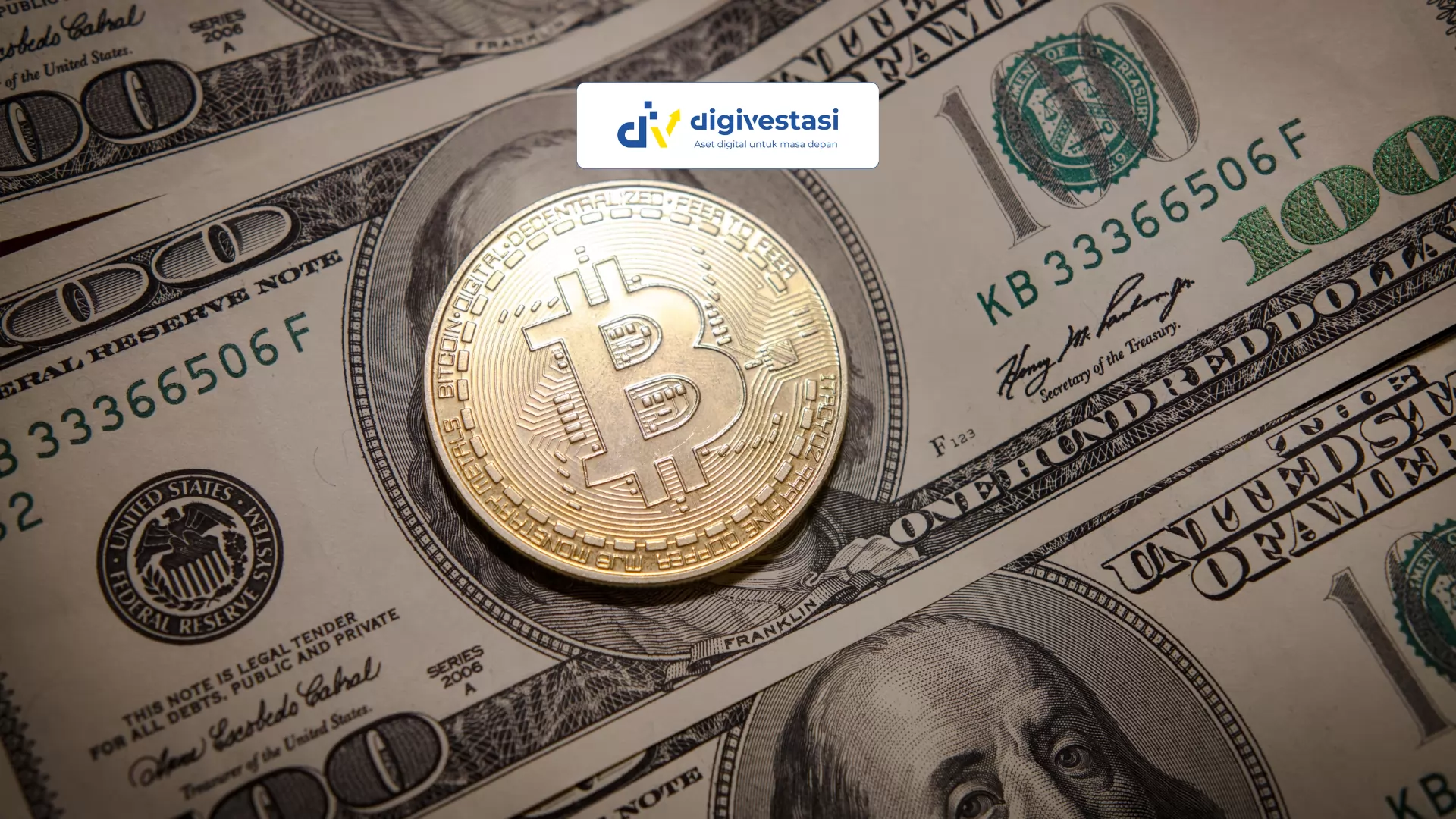
Since the first halving in November 2012, Bitcoin has remained at the center of global financial attention. Every time this block reward reduction event occurs, discussions about the future of the world’s largest digital asset resurface. Patterns formed over more than a decade indicate that halving has often triggered price rallies, although the latest performance shows a different dynamic.
Bitcoin’s post-halving performance has recorded spectacular surges in several cycles:
2012: Price skyrocketed from US$12 to over US$1,000 within one year, an increase of around 8,200%.
2016: BTC surged from US$650 to over US$2,500, growing 285% in 12 months.
2020: The largest bull run occurred, with the price breaking above US$60,000 from an initial level of US$8,600, equivalent to +600%.
This pattern shaped the popular narrative of a four-year cycle, where the post-halving consolidation phase is followed by a major rally within 12–18 months. However, after the April 2024 halving, the price only rose by around 40% in a year, far below the previous rallies that often reached hundreds of percent.
Halving is a mechanism that reduces the mining block reward by half:
2012: 50 âž 25 BTC/block
2016: 25 âž 12.5 BTC/block
2020: 12.5 âž 6.25 BTC/block
2024: 6.25 âž 3.125 BTC/block
The main impact is the reduction in new supply, which historically creates bullish pressure if demand remains strong. This phenomenon underpinned the price surge in the first three cycles.
Data shows a declining trend in percentage gains:
2012: +8,200%
2016: +285%
2020: +600%
2024: +83% (the lowest in history)
MarketWatch reported that one year after the 2024 halving, price growth was only 43.4%, indicating a fundamental shift in Bitcoin’s classic pattern.
Between 2012 and 2016, halving discussions were mostly limited to crypto community forums. However, since 2020, mainstream media outlets such as Financial Times, Bloomberg, and Forbes have significantly increased coverage. The 2024 halving even made headlines before it happened, reflecting a major change in public perception of Bitcoin as a global asset.
Controlled Scarcity: Reduced new supply sustains the perception of a store of value.
Investor Sentiment: On-chain indicators such as hashrate and Puell Multiple confirm optimism.
Institutional Speculation: Bitcoin ETFs and media coverage reinforce bullish narratives.
Several experts believe the four-year cycle pattern is losing its strength, given that 97% of Bitcoin’s supply has already been mined. In addition, the role of institutional investors and the influence of macroeconomic conditions have become dominant factors. The post-2024 halving also saw lower volatility compared to previous cycles, which may signal a maturing market.
Halving remains an important milestone in Bitcoin’s cycle, although the latest post-halving rally shows a departure from historical patterns. With the dominance of ETFs, the influence of global monetary policy, and supply nearing its limit, BTC price dynamics are now more complex. Nevertheless, halving will continue to serve as a key indicator for investors and analysts to gauge market direction in an increasingly mature digital asset era.
What do you think about this topic? Tell us what you think. Don't forget to follow Digivestasi's Instagram, TikTok, Youtube accounts to keep you updated with the latest information about economics, finance, digital technology and digital asset investment.
DISCLAIMER
All information contained on our website is summarized from reliable sources and published in good faith and for the purpose of providing general information only. Any action taken by readers on information from this site is their own responsibility.
SHARE
VIEW


